

Here’s the bottom line: local public broadcasting stations save lives. That’s not a slogan. It’s a fact.
When I led FEMA, one of the biggest challenges we faced during disasters was getting accurate, timely information to the public — especially when everything else was failing. Cell networks go down. Power grids fail. But local public broadcasting stations stay on the air. And they’re often the only lifeline communities have.
Public media isn’t just about educational programs and documentaries. It’s about infrastructure. It’s about having a trusted voice and a signal that reaches nearly every household in America — especially in rural areas where there may be no local news station and where cell coverage is spotty at best.
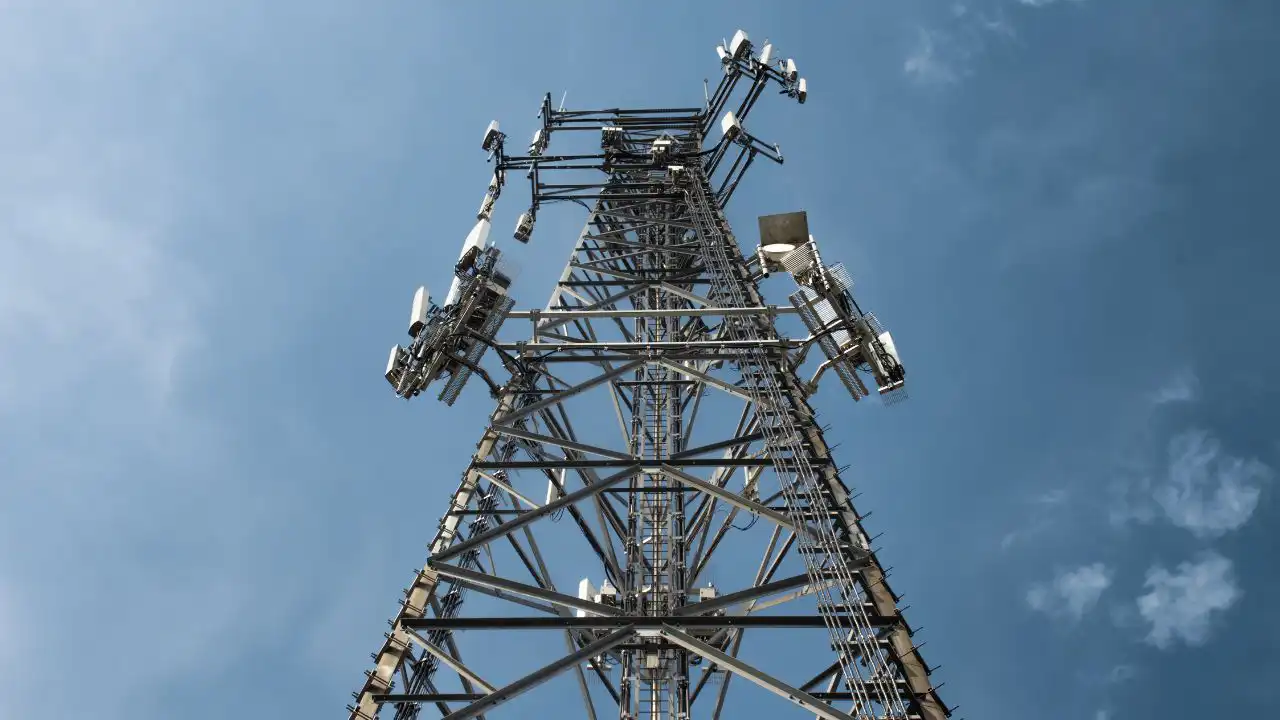
These stations serve as critical components of our national emergency communications backbone. Many are the primary hubs for the Emergency Alert System in their states. They carry AMBER Alerts. They support severe weather warnings. And they’re part of the technology FEMA and others use to push Wireless Emergency Alerts to your phone. That system doesn’t work without public broadcasting.
And that’s just the national picture.
At the state and local level, public broadcasting stations are stepping up with real innovation:
- In California, they’ve helped cut earthquake alert times from 30 seconds to less than 1.
- In Tennessee, they’ve partnered with the state to build a dedicated emergency communications network.
- In Florida and South Carolina, public media runs round-the-clock storm updates, making sure residents get lifesaving information when it matters most.
This is public safety in action—not theory. These are boots-on-the-ground, people-on-the-air efforts that make the difference between timely evacuations and missed warnings.
And they only happened because Congress invested in public media.
Now, those lifelines are at risk of going away because of the recent rescission of public media funding.
Now, many local public broadcasting stations are at risk of going dark. And if they do go dark, so do emergency alerts for Americans, especially in small and rural communities. That’s not just bad policy — it’s dangerous.
When we talk about readiness and resilience, we can’t leave public broadcasting out of the equation. It’s not a “nice-to-have.” It’s mission critical.
Established in 2022, the Next Generation Warning System (NGWS), funded through the Federal Emergency Management Agency (FEMA), has been vital to maintaining the reliable and resilient public broadcasting infrastructure that carries lifesaving public safety services.
Just this week, the Corporation for Public Broadcasting (CPB) announced that it can no longer administer the NGWS grant program. This is yet another devastating result of the rescission of public media funding.
Despite the claims during the rescission debate that emergency alerting and public safety services would not be affected by eliminating all public media funding, we are now seeing local stations making tough decisions about reducing staff, services and in some cases their coverage area – which will reduce the reach and effectiveness of emergency alerts.
In addition, without the Next Generation Warning System grants, it will be even harder for the most at-risk stations, particularly those in rural areas, to replace aging infrastructure and support enhancements to alert and warning and other public safety communications systems to ensure resilience and the ability to meet the evolving nature of public safety challenges.
I’ve spent my career in emergency management. I don’t deal in hypotheticals. I deal in what works—and public broadcasting works.
Congress must restore funding for local public media stations. And FEMA must continue to fund local public media stations’ public safety work through NGWS.
Keep the funding. Keep the signal on. Keep saving lives.
