


The State of Ransomware Q3 2026 reveals a combination the ransomware market has not seen before: record victim numbers alongside record-low concentration among its leading groups. More ransomware brands claimed victims, the top ten fell below half of observed activity, and several high-profile organizations rejected major extortion demands. Together, these shifts reveal a ransomware ecosystem growing in volume, spreading across more operators, and facing changes in how victims respond to extortion.
Key takeaways
- Q3 reached a record 2,830 victims, including 964 in July, 1,042 in August and 824 in September.
- 117 ransomware brands claimed victims, up from 91 in Q2, with 42 making their first observed victim claims during the quarter.
- Ransom payments continued to diverge: average payments fell 45% quarter over quarter to just over $1 million, while the median rose 167% to $400,000.
- The top 10 groups accounted for just 49% of victims, the first time groups outside the top ten collectively represented the majority.
- Qilin secured the top spot with 366 victims, continuing its tight race with The Gentlemen at 339, while LockBit fell out of the top ten.
- The United States accounted for 42% of Q3 ransomware victims, while the ten most affected countries represented 70% of all observed cases. Germany followed at 5%, with Canada and Italy each at 4%.
Why Did Ransomware Activity Reach Record Levels in Q3 2026?
Ransomware activity remained historically high throughout the quarter. July recorded 964 victims, August rose to 1,042 and September closed at 824. Together, the three months reached 2,830 victims, victims, the highest number of published attacks seen than any previous quarter covered by the report.
The scale of activity was accompanied by a significant expansion in the number of active groups. Q3 combined sustained activity from established operators with a wider pool of ransomware brands claiming victims, helping explain how overall volumes continued to rise while activity became less concentrated among the largest groups.
Is the Ransomware Landscape Becoming More Fragmented?
The data shows a clear shift. The top 10 groups accounted for 71% of victims in Q1 2026, 58% in Q2 and only 49% in Q3. At the same time, active ransomware brands increased from 91 to 117. Of those 117, 51 had not claimed a victim in Q2 and 42 made their first observed victim claims during Q3.

Fragmentation has not removed the established leaders. Qilin finished Q3 with 13% of published victims compared with 12% for The Gentlemen, while INC Ransom, Akira and DragonForce also maintained top-ten positions throughout all three quarters of 2026. The greater volatility is happening below this relatively stable upper tier.
LockBit moved in the opposite direction. The group published fewer victims in each successive quarter of 2026 and fell out of the top ten altogether in Q3. LockBit had previously re-established operations following the Operation Cronos disruption, but the resurgence highlighted in earlier Check Point Research did not continue through Q3.
Which Countries and Industries Were Most Affected by Ransomware in Q3 2026?
Despite major changes among ransomware groups, targeting patterns remained comparatively stable. The United States accounted for 42% of observed victims, followed by Germany, Canada and Italy. The ten most affected countries collectively represented 70% of victims. The overall geographic picture remained relatively stable, with changes in country rankings largely reflecting the activity and geographic footprint of individual ransomware groups rather than a wider shift in regional targeting.

Business Services remained the largest industry category at 34%, followed by Industrial Manufacturing and Consumer Goods & Services at 13% each. The data does not indicate that ransomware groups are deliberately prioritizing these sectors. Instead, this stability is notable given the turnover among ransomware actors and supports Check Point Research’s assessment that accessibility and opportunity, rather than preference for a particular sector alone, continue to play a major role in victim selection.

What Does the ShinyHunters Attack on Clop Reveal About Ransomware Groups?
The quarter also exposed competition inside the ransomware ecosystem itself. In September, ShinyHunters breached Clop’s leak site, defaced it and claimed to have obtained source code, internal logs and private onion-service keys. The demands reportedly extended beyond payment to requiring Clop to issue a public apology.
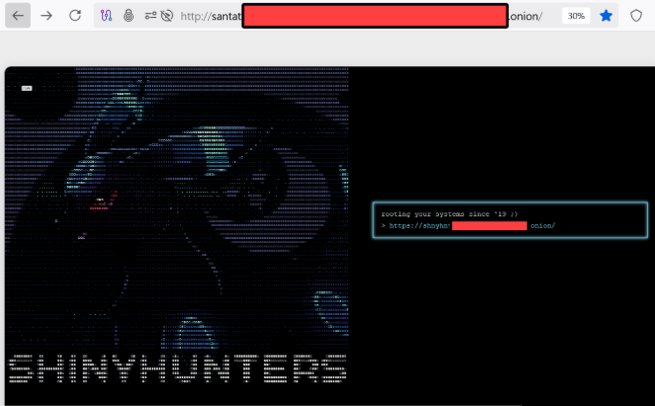
The dispute became as much about reputation and credibility as traditional extortion. It also unfolded amid continued law-enforcement pressure, including reported arrests connected to ShinyHunters activity and the separate dismantling of KillSec through Operation KillSwitch.
Are Fewer Ransomware Victims Paying?
The economics are shifting alongside the group landscape. According to Chainalysis, ransomware payment rates fell to an estimated 28% in 2025. Coveware reporting cited in the Q3 report indicates that this decline continued in 2026, with less than one in four ransomware events resolved without payment.
At the same time, payment sizes moved in different directions: Check Point Research found that the average payment declined 45% quarter over quarter to just over $1 million, while the median increased 167% to $400,000. The report notes that these figures may reflect two parallel market trends, with routine payment expectations rising for many smaller organizations while the largest demands encounter greater resistance.
Several Q3 cases illustrate the latter. A major European transportation company rejected a $12.3 million demand, while the Berlin state government rejected a 30 BTC demand despite the subsequent publication of stolen information. Manchester Airports Group also reportedly rejected an extortion demand, and Fairlife, a subsidiary of the Coca Cola company, which disclosed a ransomware attack by Anubis in July, allegedly demanding $15 million. Although the company did not publicly reject the payment, the extortion group eventually published the leaked data, suggesting no payment was made
What Do Q3’s Ransomware Trends Mean for Security Teams?
With activity spread across 117 ransomware brands, organizations cannot build their ransomware strategy around predicting which well-known group might attack next. The Q3 findings instead reinforce four priorities: defend common attack paths, reduce what attackers can reach after initial compromise, prepare for data theft alongside encryption, and build response plans that account for the consequences of refusing payment.
How Check Point Helps Organizations Reduce Ransomware Risk
Q3’s record activity and increasingly fragmented threat landscape reinforce the need for protection that addresses the attack itself rather than relying on knowledge of individual ransomware groups.
Workspace Security protects users across email, browsers, SaaS applications and endpoints. AI-driven detection and threat intelligence help identify malicious files, links and ransomware threats before they progress, while endpoint protection helps contain compromised devices and prevent ransomware execution.
Hybrid Mesh Network Security provides protection across on-premises, cloud and remote environments, helping block ransomware, malicious files and exploit attempts while limiting movement toward critical systems and data. SASE extends security controls to users connecting outside the traditional network perimeter.
Exposure Management identifies exploitable vulnerabilities, misconfigurations, exposed assets and attack paths so teams can prioritize exposures that provide realistic routes to critical assets. Risk-based prioritization is particularly important when just 7.8% of vulnerability alerts were validated as Critical or High after exploitability testing.
AI Security supports AI-driven prevention as ransomware groups and infrastructure change. ThreatCloud AI applies AI and global threat intelligence across Check Point protections to help identify emerging threats and analyze signals at scale.
Want the full picture? Download the complete State of Ransomware Q3 2026 report here..
