

“You guys never heard about that bomb threat the day of June 18, and our agent was a large part of that,” GenAI Task Force boss Capt. Ryan Hetrick said.
A military-made artificial intelligence tool helped law enforcement thwart a bomb threat at the FIFA World Cup in California this summer.
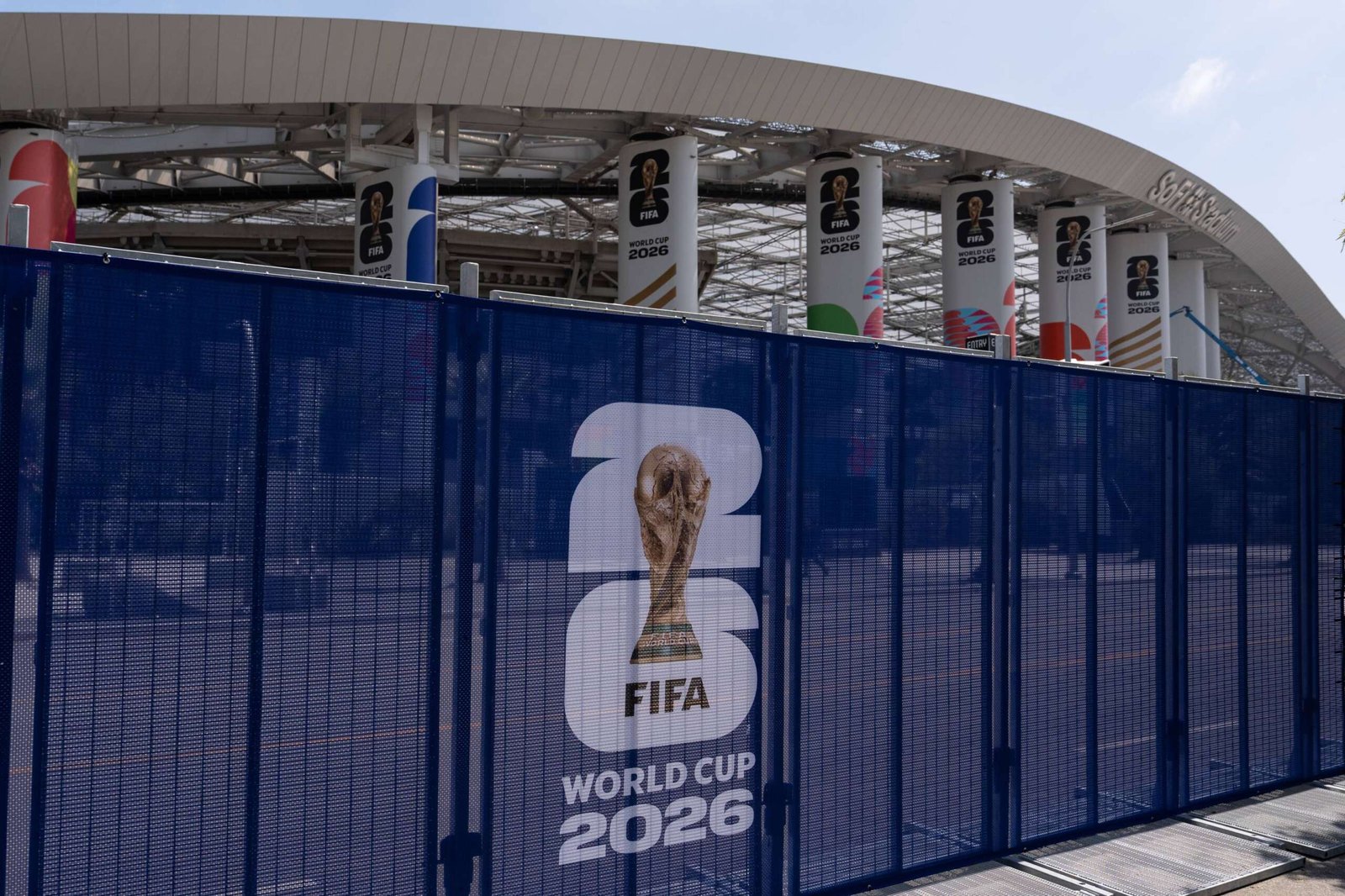
The previously undisclosed incident occurred June 18, when Switzerland faced Bosnia and Herzegovina at SoFi Stadium outside Los Angeles, Army Capt. Ryan Hetrick, who leads the Pentagon’s Generative AI Task Force, said Nov. 6 at an AI event in Washington.
Three days earlier, Hetrick and colleagues from the Defense Department, FBI and Coast Guard had gathered at the White House to design an automated agent to write spot reports — short, time-sensitive narratives on quickly evolving situations — for the World Cup Task Force.
In case of a security incident, law enforcement on the ground would call the White House, and the World Cup task force would write up a spot report and send it up the chain of command to launch a response, Hetrick said.
That process typically takes about 20 minutes, he said. The AI agent can get it done in 90 seconds — giving local and federal authorities more time to coordinate on the ground.
“You guys never heard about that bomb threat the day of June 18, and our agent was a large part of that,” Hetrick said. “We saved lives.”
Spokespeople for the White House, FBI and local law enforcement agencies did not immediately respond to a request for comment.
The 2026 World Cup brought more than six million spectators from around the world to more than 100 matches in 16 host cities in the U.S., Canada and Mexico over the course of two months, prompting a massive interagency effort to secure those sites using technologies like AI and drones. Two people were charged in connection with another bomb threat against FIFA during a World Cup match at MetLife Stadium in New Jersey.
“We ran down criminal tips, investigated swatting incidents, hoax bomb threats and online scams,” FBI Director Kash Patel said in a video following the tournament. “It’s the most extensive level of support the FBI has ever provided for a global sporting event.”
Hetrick has become one of the military’s biggest — and busiest — evangelists for AI. The GenAI Task Force travels around the globe to sit down with troops on operations floors and in the field and find AI fixes for their most pressing problems.
He urged others across the military to adopt his hands-on approach to AI integration, encouraging troops to partner with AI experts to learn cutting-edge techniques and to tap innovative service members as in-house AI gurus who can spread that knowledge further.
Hetrick pointed to a recent visit to the 101st Airborne Division at Fort Campbell, Kentucky, where he built an AI tool that cut the time it takes to execute a particular cyber operations workflow from 100 hours to 15. That tool is now available to all cyber officers across the department, he said.
“We don’t do policy shops. We don’t do PowerPoints. We go to the edge and build with the warfighter,” he said. “You can’t be building agents from the Pentagon.”
Copyright
© 2026 Federal News Network. All rights reserved. This website is not intended for users located within the European Economic Area.
